Ports as the foundation of resilience – on the new role of ports for the economy and national security
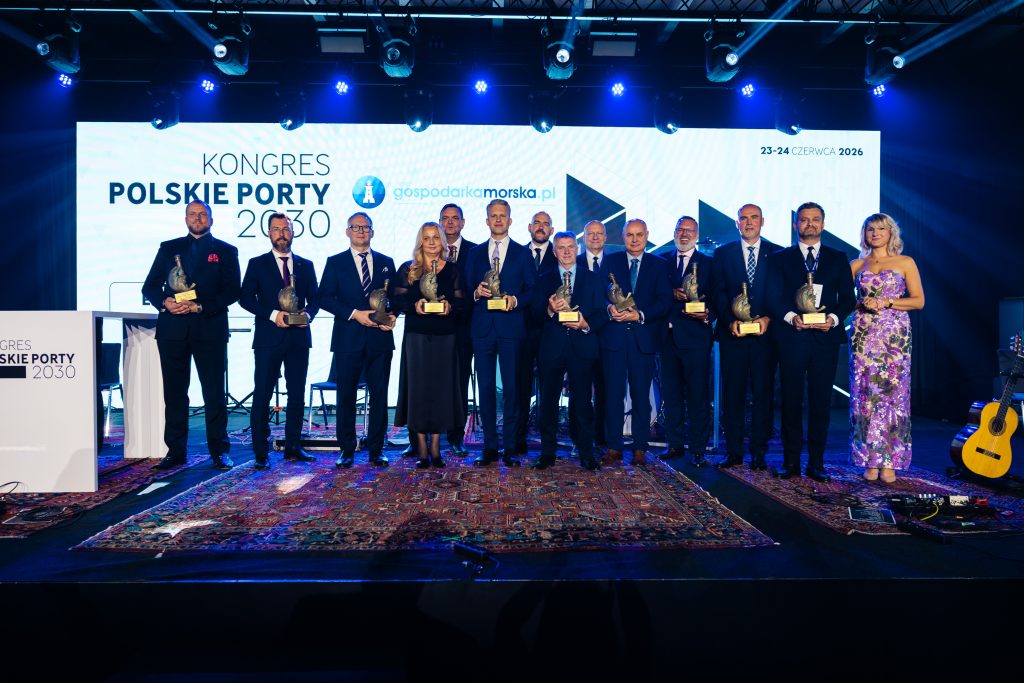
The ‘Polish Ports 2030+’ Congress, which took place on 23–24 June, brought together over 900 participants from public administration, the port sector, logistics, the energy sector and industry. This year’s edition clearly confirmed that Polish seaports have entered a new phase of development – moving from traditional transport hubs to the role of integrated economic ecosystems of strategic importance to the state.
During the event’s opening ceremony, the Deputy Minister of Infrastructure, Arkadiusz Marchewka, emphasised that competitiveness is the foundation of the economy’s resilience. In this context, seaports play a key role – not only as cargo handling centres, but also as pillars of energy security and industrial development.
One of the largest investment programmes in the history of the maritime sector is currently underway along the Polish coast. It encompasses the expansion of terminals, the development of infrastructure for the offshore sector and a significant increase in cargo handling capacity – by as much as several tens of millions of tonnes per year in the coming years.
Particular importance was attached to rail investments, which are essential for the efficient distribution of freight further inland. A key announcement was the planned construction of an alternative rail link for the Port of Gdańsk.
Port of Gdańsk: the ambition to become an industrial and energy hub
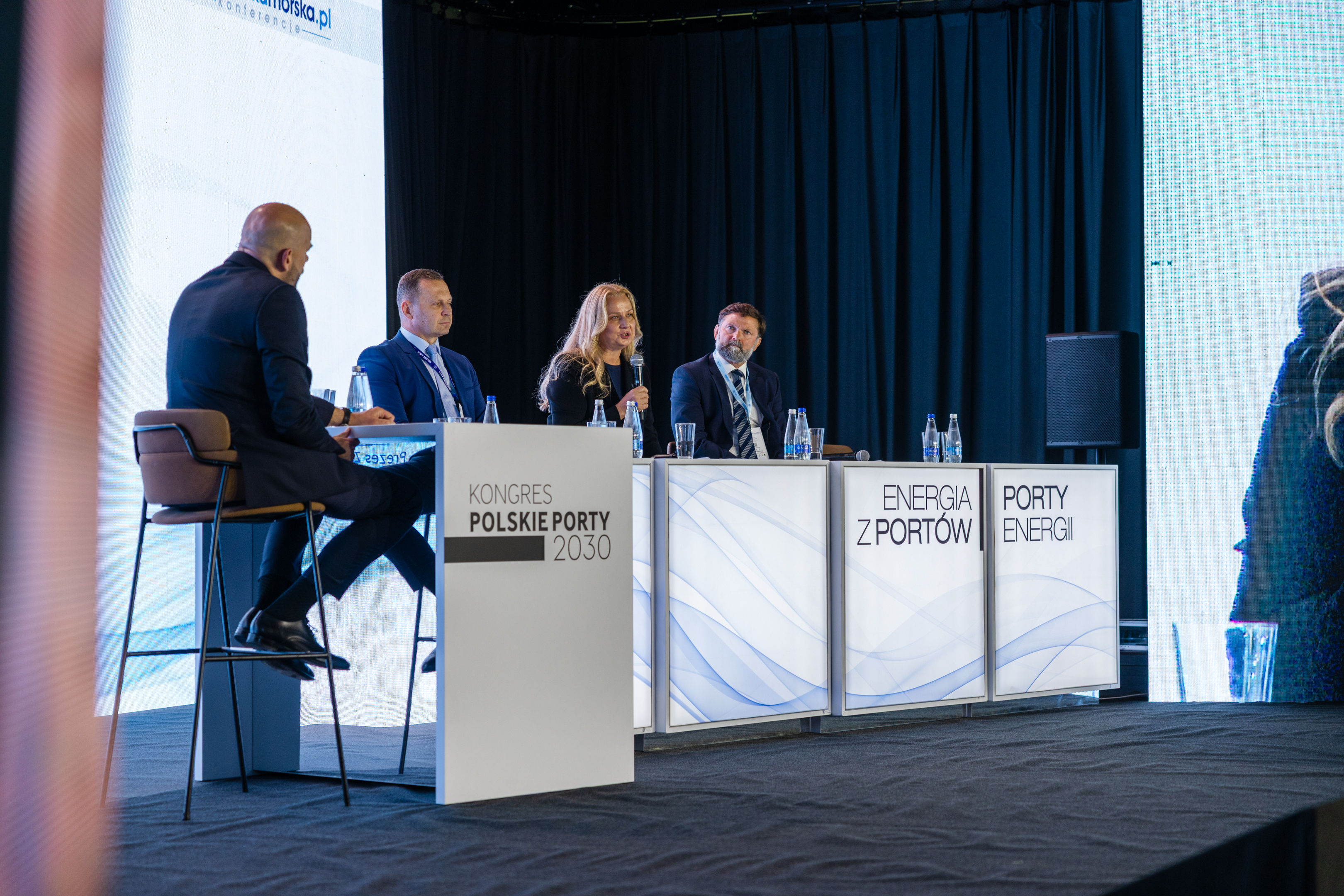
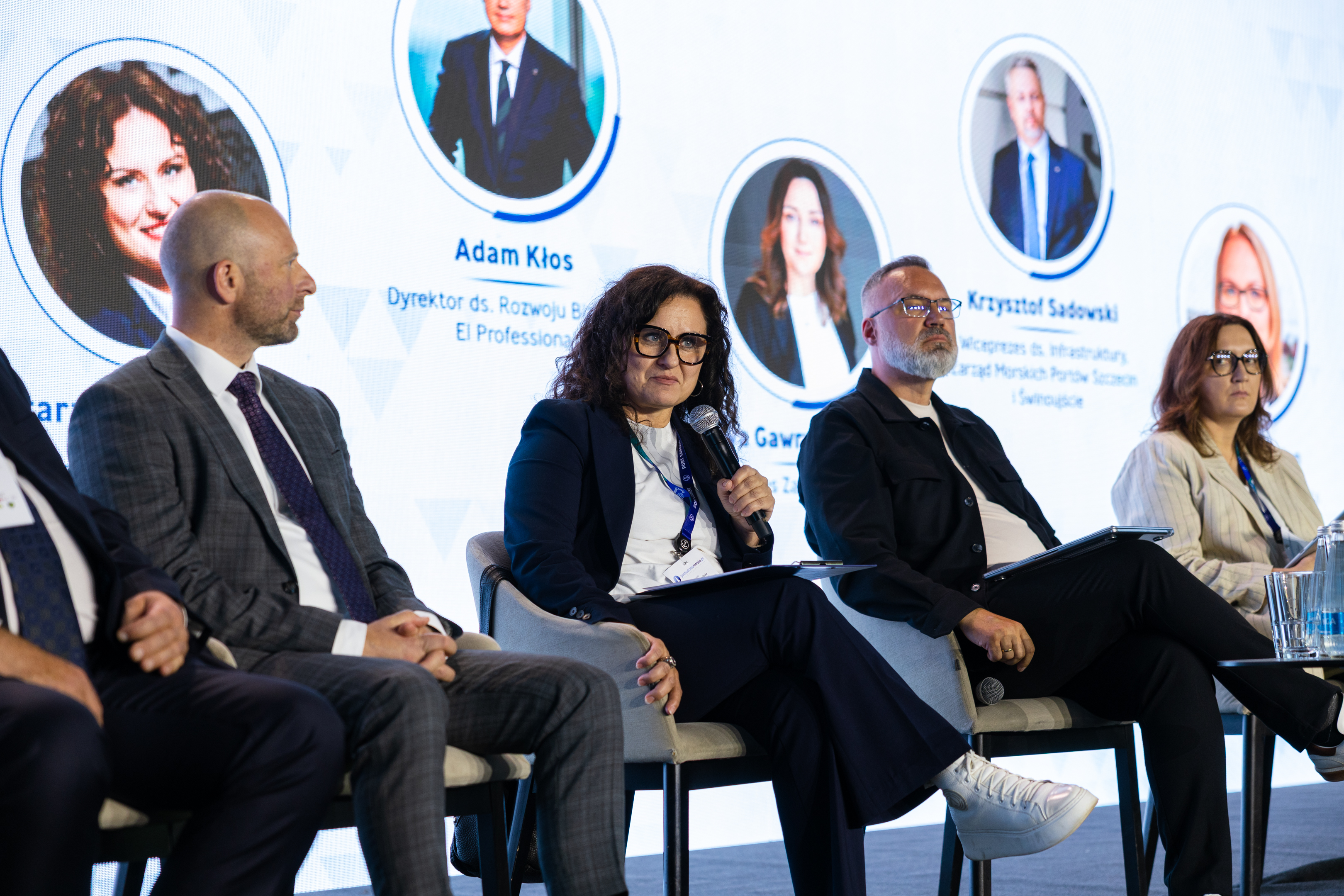
One of the key points of the congress was a debate between the presidents of Poland’s largest ports. The President of the Port of Gdańsk, Dorota Pyć, clearly outlined the strategic direction for development – the construction of a strong industrial and energy hub based on ESG principles.
However, in order to achieve this ambitious goal, access infrastructure must be developed. The current transport network is unable to keep pace with the scale of cargo handling and the projects currently underway.
‘If I were to identify the most urgent investment for us, it would be improving rail access to existing and planned deep-water terminals. Rail fits in with both decarbonisation goals and the development of Poland’s economic potential’.
As the President of the Port of Gdańsk emphasised, the port island is currently connected to the rest of the country by a single railway bridge and a single road bridge, and with the growing volume of cargo handling, this increases the risk of congestion. A new road-rail link is ultimately needed, preferably in the form of a tunnel with accompanying infrastructure.
‘Access infrastructure is key to the port’s continued development. It attracts new business, but also strengthens existing operations. It is our lifeblood, linked to the national infrastructure and neighbouring countries’, said Dorota Pyć.
Security: a new dimension in port operations
Security – both physical and digital – was an important subject at the congress. Alan Aleksandrowicz, Vice-President of the Port of Gdańsk, highlighted the growing impact of cyber threats, which today constitute one of the key elements of what are known as ‘hybrid warfare’ operations.
The Baltic Sea has become an area of geopolitical tension, and port infrastructure is a potential target for cyber-attacks, hybrid warfare operations, espionage, GPS signal jamming and sabotage.
‘Data from CERT Polska for 2025 shows that as many as 236,000 cybersecurity incidents were reported in the country last year. As many as 828 of these concerned maritime infrastructure’. he explained. ‘Every day, we observe attempts to test our systems using automated tools. Last year, one of the groups shut down a ferry operator’s booking system. The most dangerous are APT groups – state-funded, focused on espionage and data theft’.
He also emphasised that building resilience, redundancy and preparedness for crisis situations are essential today.
Energy transition and new business models
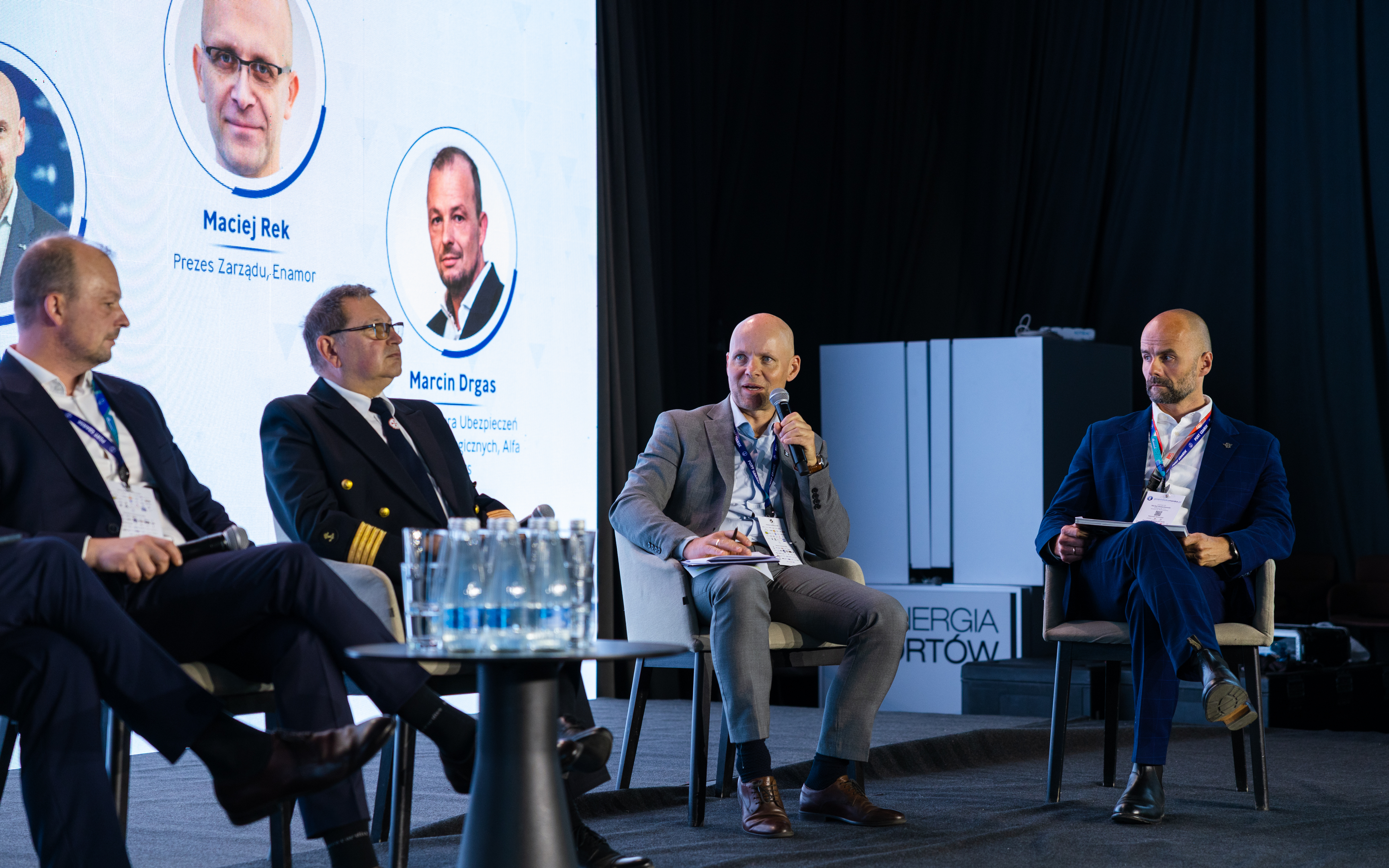
The second day of the congress also focused largely on the energy transition and the role of ports in the decarbonisation of the economy. The Port of Gdańsk already plays a significant role in this process – both as a cargo handling centre for energy resources and as a future hub for new energy sources.
Katarzyna Szczycińska, Acting Director of the Strategy and Development Department, spoke during the discussion.
‘We are set to see a diversification of cargo types and the associated upgrade of port infrastructure. This is a process that involves not only port management, but also operators and customers. Today, around one half of the cargo handled – nearly 40 million tonnes – consists of crude oil, and almost 7 million tonnes is coal. The energy transition is expected to gradually reduce the share of these resources in favour of green energy – from wind farms and solar farms’.
Support will also come from the FSRU-type LNG terminal currently under construction in the waters of the Gulf of Gdańsk and the development of nuclear energy. Alternative fuels, such as methanol, ammonia and hydrogen, will also play an increasingly important role – although we do not yet know which of these will emerge as the dominant one.
The Port of Gdańsk also plans to implement solutions compliant with EU regulations, such as onshore power supply (OPS) systems, which are to become mandatory from 2030. It also plans to build a second Main Power Supply Point and energy storage facilities to meet its own needs.
Intermodal 2030+: untapped potential and the role of digitalisation
One of the key challenges highlighted during the Congress remains the development of intermodal transport. At present, only about 30% of freight travelling to and from ports in Poland is handled by rail, which clearly demonstrates the scale of this sector’s untapped potential. Meanwhile – according to a report by Bank Gospodarstwa Krajowego – if intermodal transport took over just 10% of international road traffic, this could translate into an 80% increase in the intermodal transport market.
Experts agree that achieving this level cannot be done solely through the expansion of line and terminal infrastructure. Accelerating digitalisation and data integration processes across the entire logistics chain is also of key importance. As Bartłomiej Felczyński, land transport manager at the Port of Gdańsk, emphasised, the future of efficient intermodal transport rests on effective information management.
‘Data integration, the digital layer and data management must become the foundation for development if we are to ensure the smooth and predictable flow of supplies’.
International partnership and relationship-building
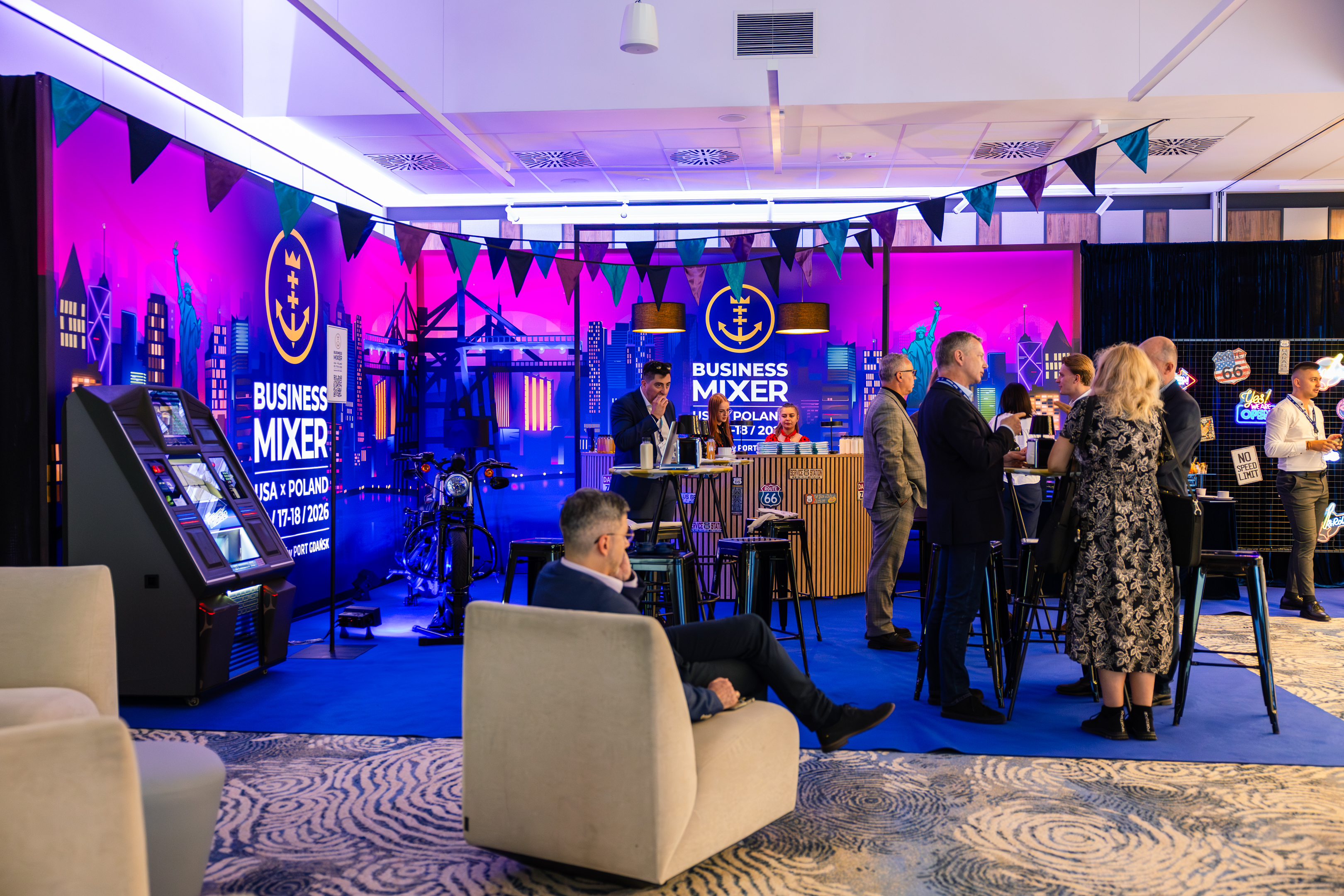
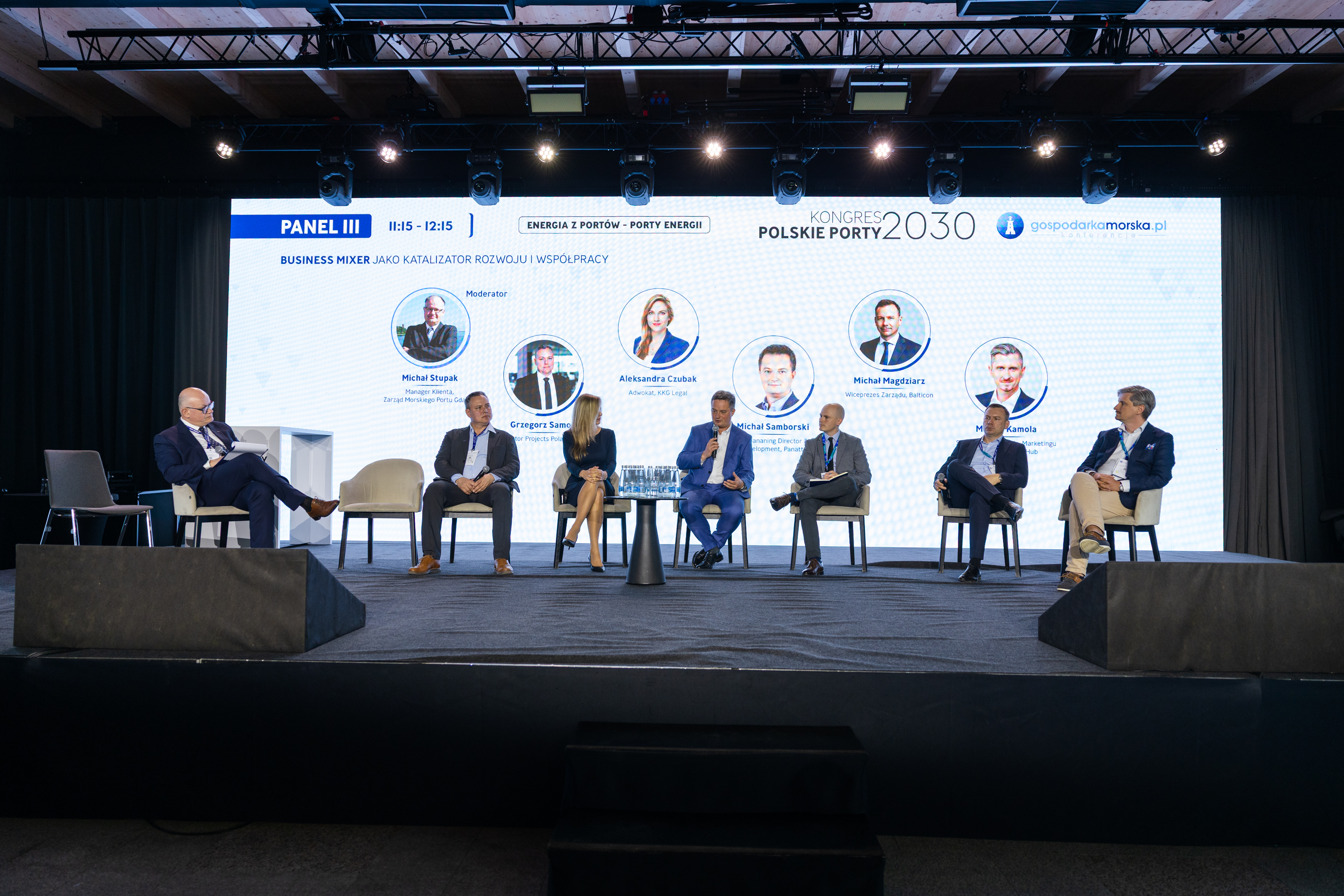
The congress also highlighted the importance of international relations in the development of ports. The Port of Gdańsk has been actively developing initiatives, such as the Business Mixer, which support overseas expansion and the building of long-term business partnerships.
The announcement of the fourth edition of the event in Hoboken (USA) marks a further step towards strengthening the port’s position in the global market. The experiences of participants in this trade mission indicate that such initiatives, effective in the longer term, are crucial for building trust and sustainable business relationships.
‘We are a local company, but as a partner of the Port of Gdańsk, our networking is made much easier during the Business Mixer’, said Michał Magdziarz, Vice-President of Balticon.
The Gdańsk Port’s in the American corner, which was set up during the congress, drew considerable interest amongst participants and referred to the Business Mixer in the USA. Visitors were treated not only to networking opportunities but also to a unique atmosphere – a jukebox and a legendary Harley-Davidson emphasised the American character of the space.
The conclusions drawn from the ‘Polish Ports 2030+’ Congress are clear: the future of the port sector depends on the ability to integrate infrastructure, energy and logistics investments, and on effective partnership between stakeholders.
The Port of Gdańsk, as Poland’s largest port and one of the leaders in the Baltic Sea region, is at the heart of this transition. Its further development will depend not only on the implementation of key investments, but also on its ability to adapt to a rapidly changing economic and geopolitical environment.
***
Lighthouse of the Maritime Economy
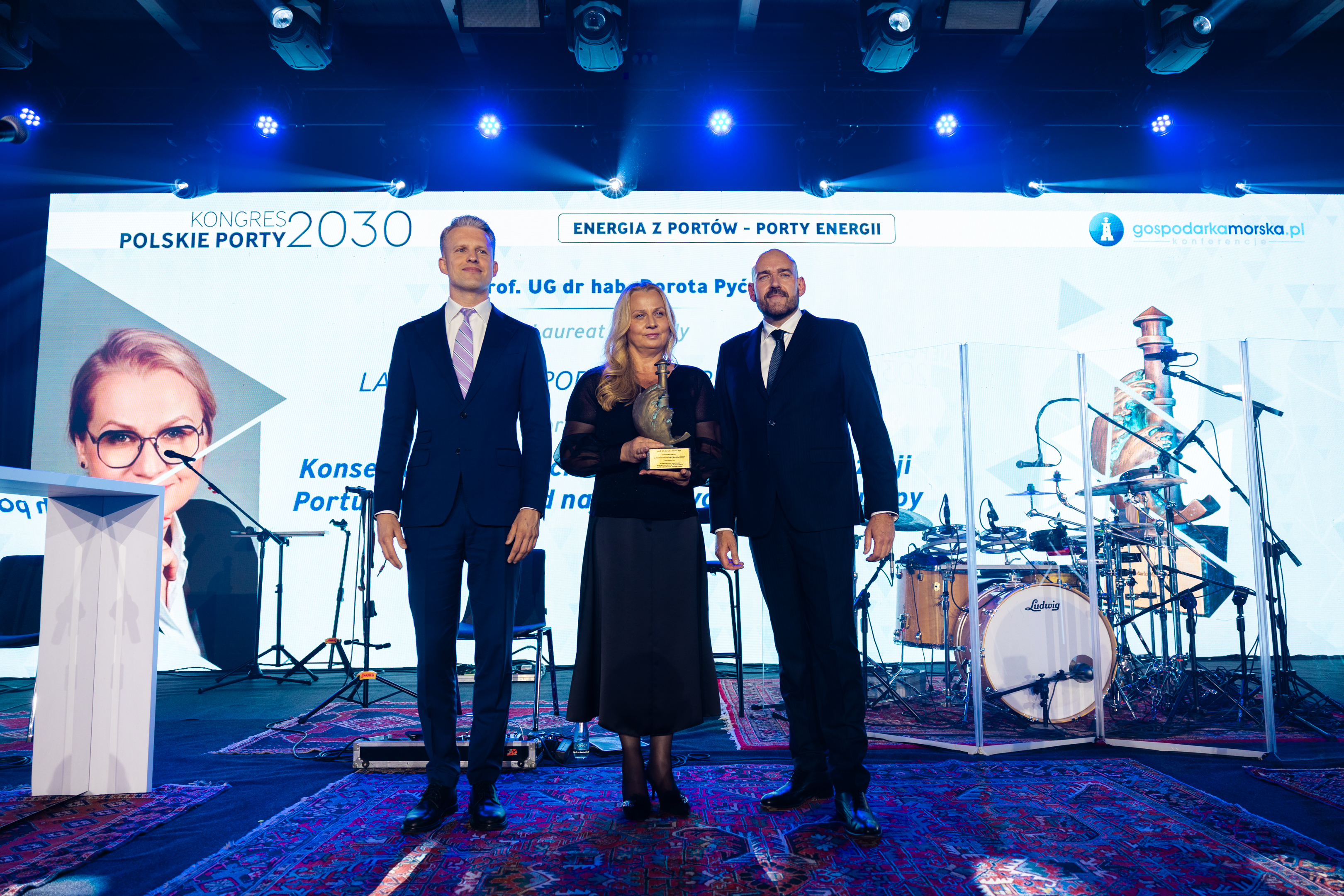
The 2026 Lighthouses of the Maritime Economy awards were presented during the congress. The awards, given for outstanding achievements in the maritime sector, were presented to winners selected by the editorial team of the GospodarkaMorska.pl website. This year the editorial team awarded 12 trophies.
Dorota Pyć, President of the Port of Gdańsk, was honoured for ‘consistently strengthening the strategic position of the Port of Gdańsk as one of Europe’s largest ports’. Arkadiusz Marchewka, Deputy Minister of Infrastructure responsible for the maritime economy and inland waterway transport, also received an award. He was presented with the 2026 Lighthouse of the Maritime Economy for ‘effectively supporting the development of Polish ports and giving strategic importance to investments in the maritime economy’.