A new course, new opportunities. The Port of Gdańsk strengthens transatlantic relations
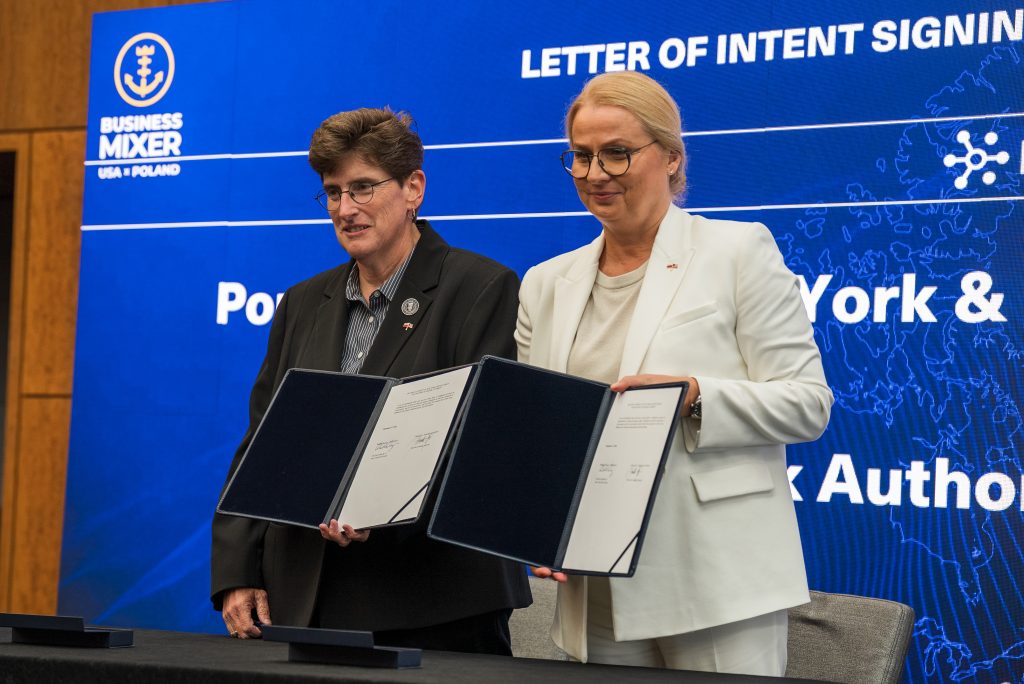
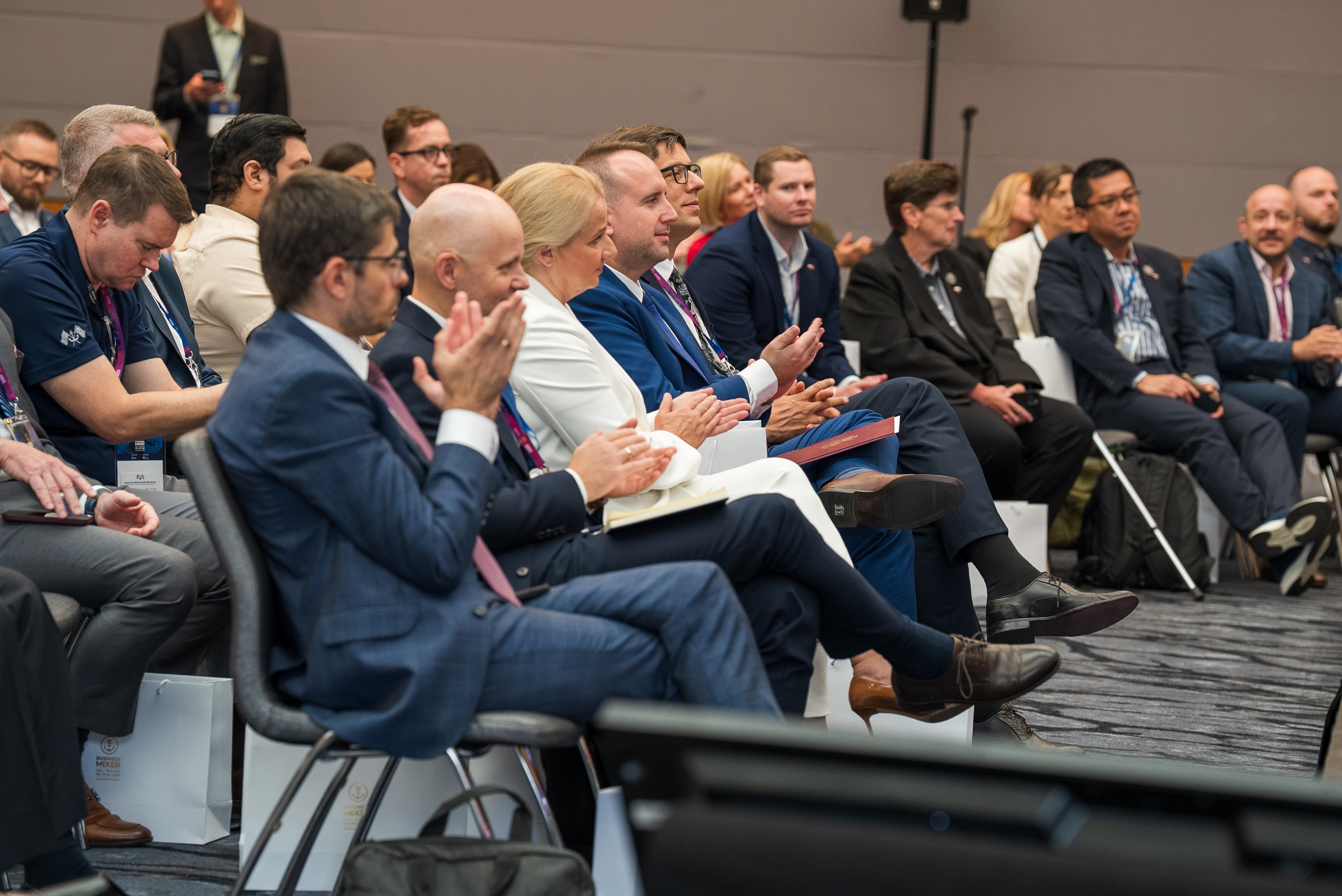
Growing bilateral trade between Poland and the United States, strategic infrastructure investments, and interest from American businesses in the Central and Eastern European market are opening up new opportunities for the Port of Gdańsk. This was the key message from this year’s Business Mixer, organised by the Port of Gdańsk in partnership with the Port Authority of New York and New Jersey, where representatives from business, government administration, ports, and the logistics and shipping sectors from both sides of the Atlantic gathered to discuss cooperation opportunities.
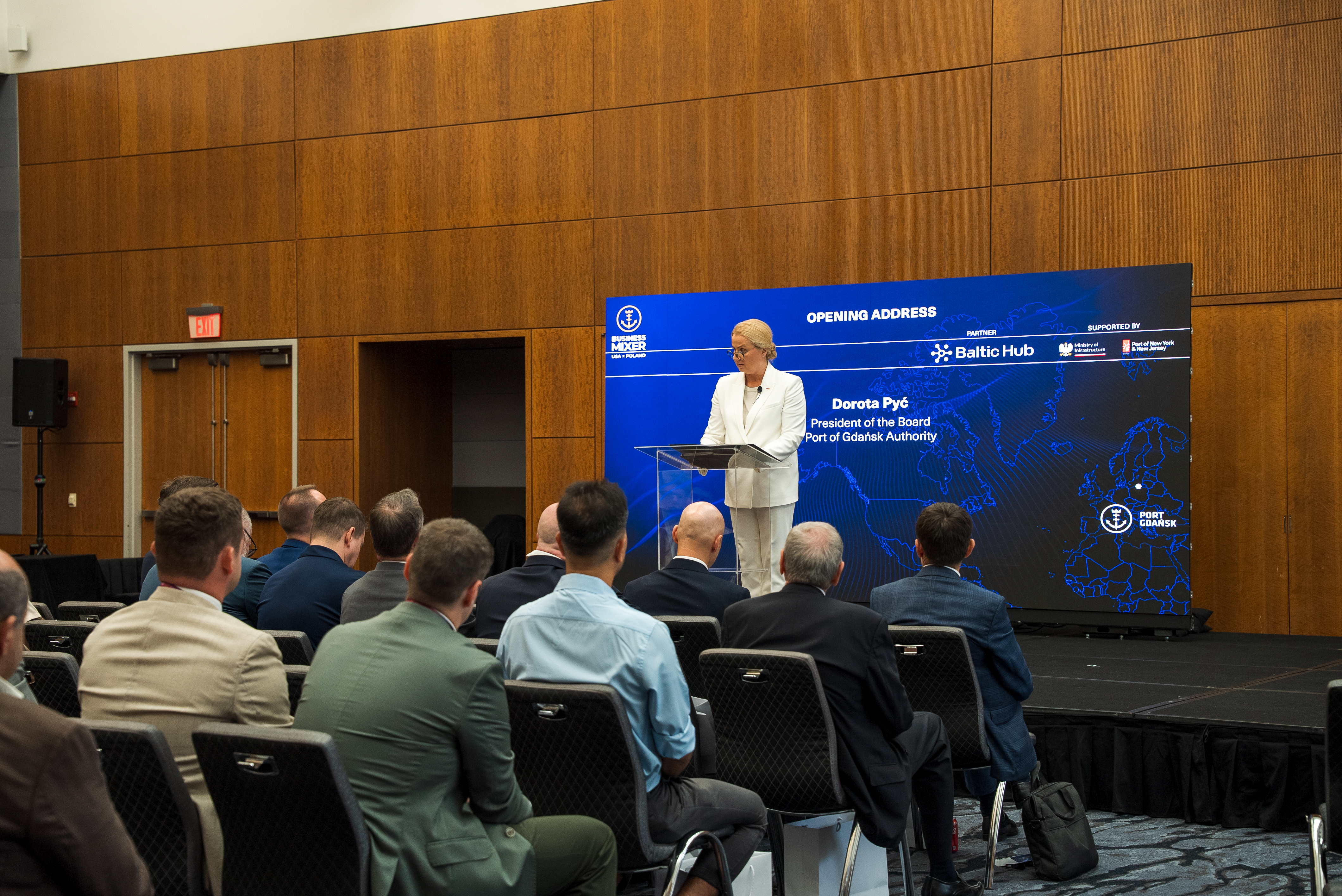
Poland has the potential to become a vital partner for US business, owing to the country’s strategic geographical location, robust economic growth, and substantial investments in logistics infrastructure. Nevertheless, the Port of Gdańsk still faces the challenge of expanding its share in handling the trade flow between Poland and the US. For years, a substantial portion of this trade was routed through Western European ports. This model is gradually shifting, with cargo volumes between the US and Poland handled by the Port of Gdańsk showing consistent growth. According to data from US Customs and Border Protection, total containerised cargo trade between the US and Poland reached nearly 169,000 TEU in 2025. This represents an increase of nearly 20 per cent year-on-year. Dorota Pyć, President of the Board of the Port of Gdańsk Authority, highlighted these figures during the opening of the Business Mixer.
– ‘These figures demonstrate not only the strength of our economic relations, but also the potential for further growth,’ she emphasised. – ‘The Port of Gdańsk, alongside its network of partners, can serve American businesses as a gateway not merely to Poland, but to the entire Central and Eastern European market.’
This year’s Business Mixer was held in the US precisely because the Port of Gdańsk has the operational capacity to accommodate the largest ocean-going vessels operating on direct routes between the US and Gdańsk.
– ‘We want to showcase how direct maritime connections can reduce transit times, lower inland transport costs across Europe, and generate added value through logistics, warehousing, and distribution operations conducted in Poland,’ stated Dorota Pyć. – ‘Our ambition extends beyond mere cargo transport; we aim to bridge markets, generate commercial opportunities, and build long-term partnerships that reinforce economic growth on both sides of the Atlantic.’
Poland and the US strengthen economic ties
A formal letter to the participants of the Business Mixer was addressed by the Deputy Minister of Infrastructure, Arkadiusz Marchewka. It was read out by Paweł Krężel, Director of the Department of Maritime Economy and Inland Navigation at the Ministry of Infrastructure. In the letter, the Deputy Minister highlighted the expanding scale of Polish-American trade. In 2025, bilateral trade reached approximately $33 billion, of which Polish exports accounted for $13 billion. He also underlined that economic cooperation between the two nations is becoming increasingly diversified, encompassing industrial goods, advanced technologies, pharmaceuticals, agri-food products, aerospace, and energy. He added that whilst the modern infrastructure Poland boasts creates new avenues of opportunity, it is robust partnerships that facilitate their full realisation.
Bartosz Folusiak, from the Embassy of the Republic of Poland in Washington, also highlighted the importance of infrastructure development, particularly within the framework of energy security. As he pointed out, over the past 35 years Poland has been the second-fastest-growing economy in the world, surpassed only by China. One of the primary challenges confronting the Polish economy today is the green energy transition. A pivotal element of this process has been ending dependence on Russian fossil fuels, which in turn has accelerated subsequent investments in energy infrastructure. In this context, he cited, amongst other projects, the expansion of the Naftoport oil terminal and the floating LNG terminal currently under development at the Port of Gdańsk, as well as Poland’s first nuclear power plant, which is being constructed in Pomerania near Gdańsk using American technology.
– ‘This serves as a symbol of strong Polish-American relations, as the selected technology is American and provided by Westinghouse.’ ‘On the construction and engineering side, Bechtel will assist us in delivering the power plant and bringing it into full commercial operation, with three reactors by 2039,’ added Bartosz Folusiak.
Shaping the future of ports together
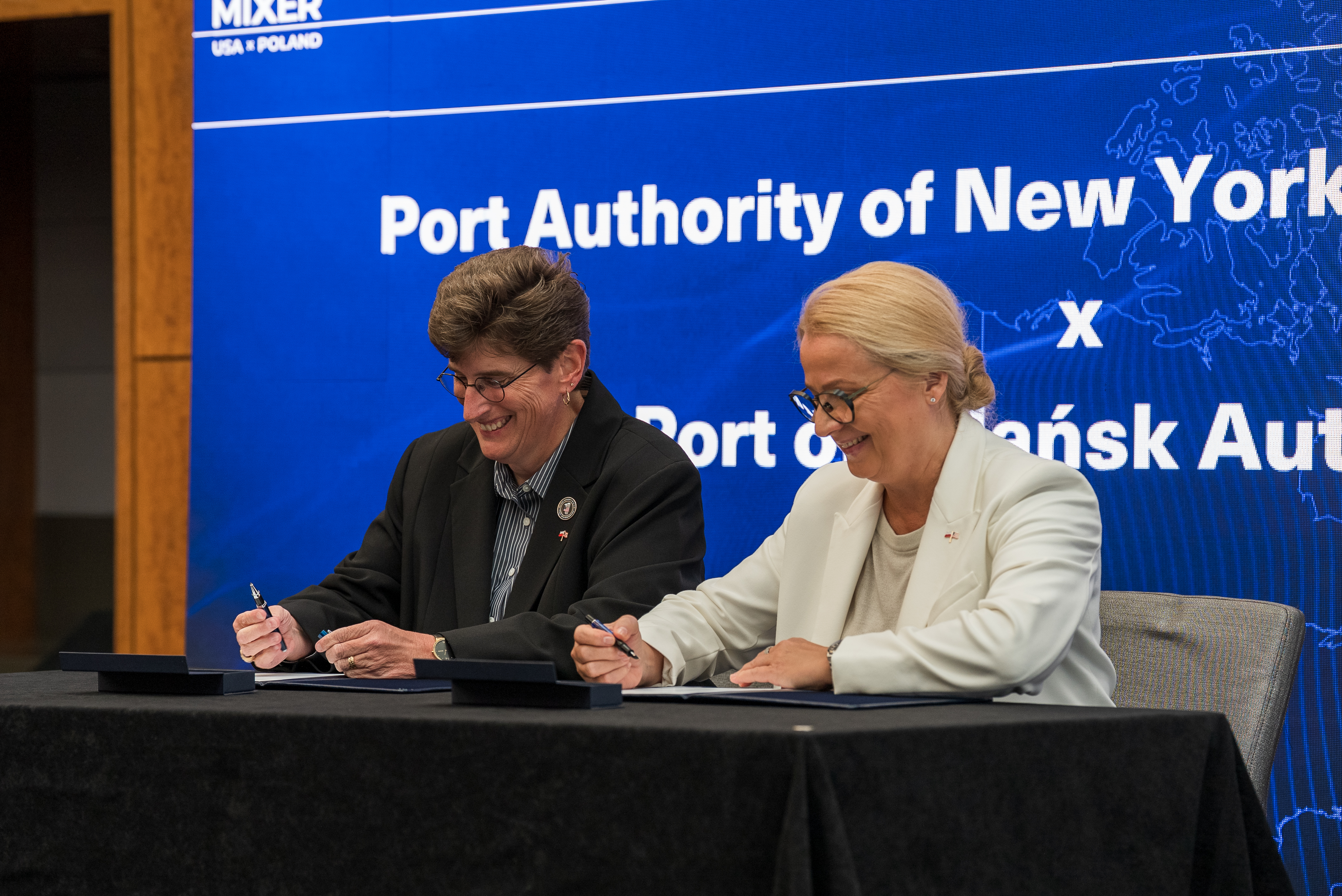
During the event, a Letter of Intent on bilateral cooperation was signed between the Port of Gdańsk Authority and the Port Authority of New York and New Jersey. The agreement aims to strengthen relations between the two port authorities, foster bilateral trade, develop transport connections, and establish closer commercial links between Poland and the US.
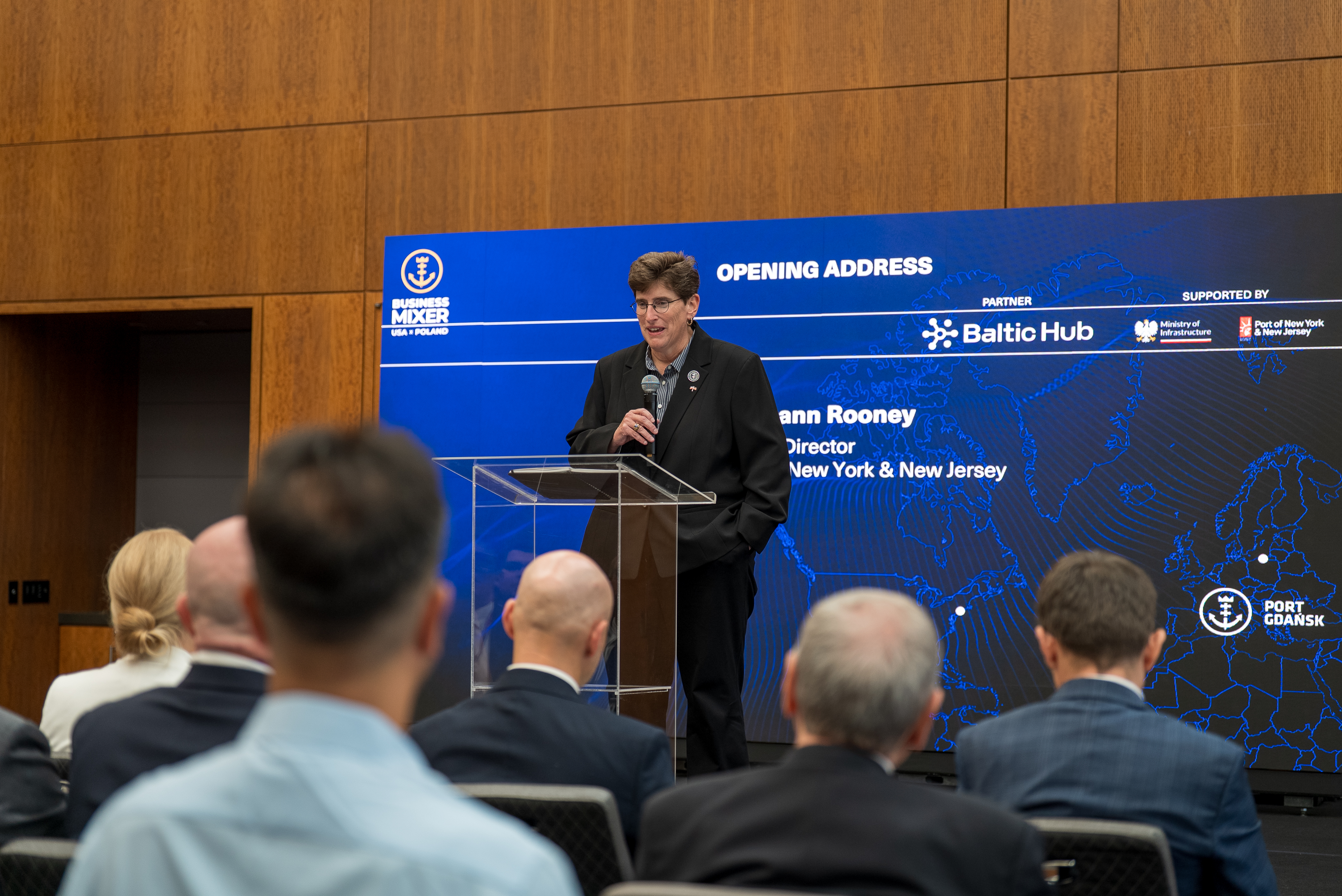
Bethann Rooney, Director of the Port Department at the Port Authority of New York and New Jersey, drew attention to the growing volume of cargo originating from Eastern Europe and stressed the importance of a scheduled container service. As she noted, US importers are increasingly seeking alternative supply sources to reduce their dependence on Chinese shipments. Owing to its geographical position and connections with the Czech and Slovak markets, the Port of Gdańsk is well-positioned to benefit from this trend. At the same time, she stressed that the relationship between the two ports should not focus solely on increasing cargo throughput. Both Gdańsk and New York–New Jersey face comparable challenges, including constrained development space, the energy transition, and the imperative for continued infrastructure modernisation. The executed Letter of Intent provides an institutional platform for ongoing dialogue, knowledge exchange, and the pursuit of new freight and commercial opportunities.
The Port of Gdańsk aspires to serve not merely domestic Polish demand, but a broader consumer market of roughly 100 million people, encompassing Ukraine, Czechia, Slovakia, Hungary, and the wider Baltic Sea region. In this context, cooperation with the Port Authority of New York and New Jersey carries significance far beyond basic freight exchange.
Time for a direct course across the Atlantic
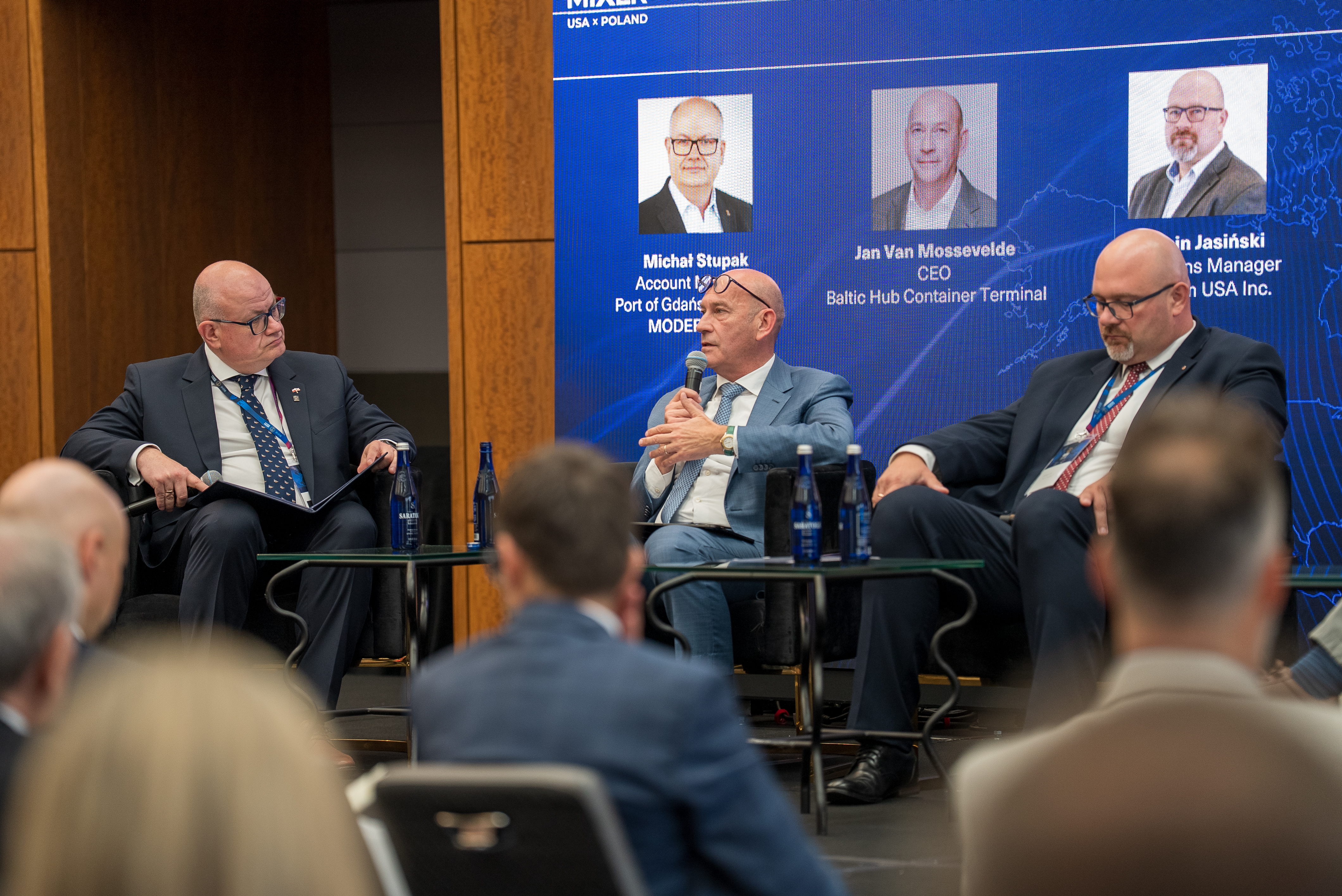
One of the principal topics addressed at the Business Mixer was the establishment of a direct maritime service between Poland and the US. One of the panel sessions was devoted specifically to the development prospects of transatlantic trade and the pivotal role of the Port of Gdańsk in serving this corridor.
Jan Van Mossevelde, CEO of Baltic Hub Container Terminal at the Port of Gdańsk, pointed out that the commissioning of the T3 terminal has expanded handling capacity, with leading American companies such as Amazon, Colgate-Palmolive, eBay, Dell, 3M, and PepsiCo already utilising its services. According to Van Mossevelde, the expanding economies of Poland and Central Europe, major capital programmes such as the nuclear power plant project, and the future reconstruction of Ukraine will drive up freight demand through the Port of Gdańsk.
Freight and logistics representatives emphasised that, for American clients, transit times can often prove more critical than freight rates alone. Rafał Michalski of Langowski Logistics noted that, in the absence of a direct maritime connection to and from the US, routing cargo via a Western European hub can add a week or even ten days to total transit times.
Marcin Jasiński of Polsteam USA, a subsidiary of the Polish Steamship Company (Polsteam), also cited the operational challenges stemming from the lack of a direct route. He described scenarios where shipments from Gdańsk to New York required overland haulage via Chicago or complex transhipment arrangements within Western Europe.
However, the panel demonstrated that transatlantic shipping encompasses far more than containerised freight alone. Polsteam is expanding its fleet of LakerMax-type bulk carriers, which handle shipments of steel and other specialised dry-bulk and break-bulk cargoes between Europe and North America. The shipowner also drew attention to forthcoming challenges concerning alternative fuels. While vessels can be built or adapted to run on green methanol, shoreside bunkering infrastructure must evolve at a matching pace.
The energy sector drives new freight flows
A subsequent panel addressed project cargo generated by the energy transition.
The scale of planned energy investments in Poland will generate substantial demand for the transport of heavy-lift and out-of-gauge components. Seaports will serve as one of the critical links in this supply chain.
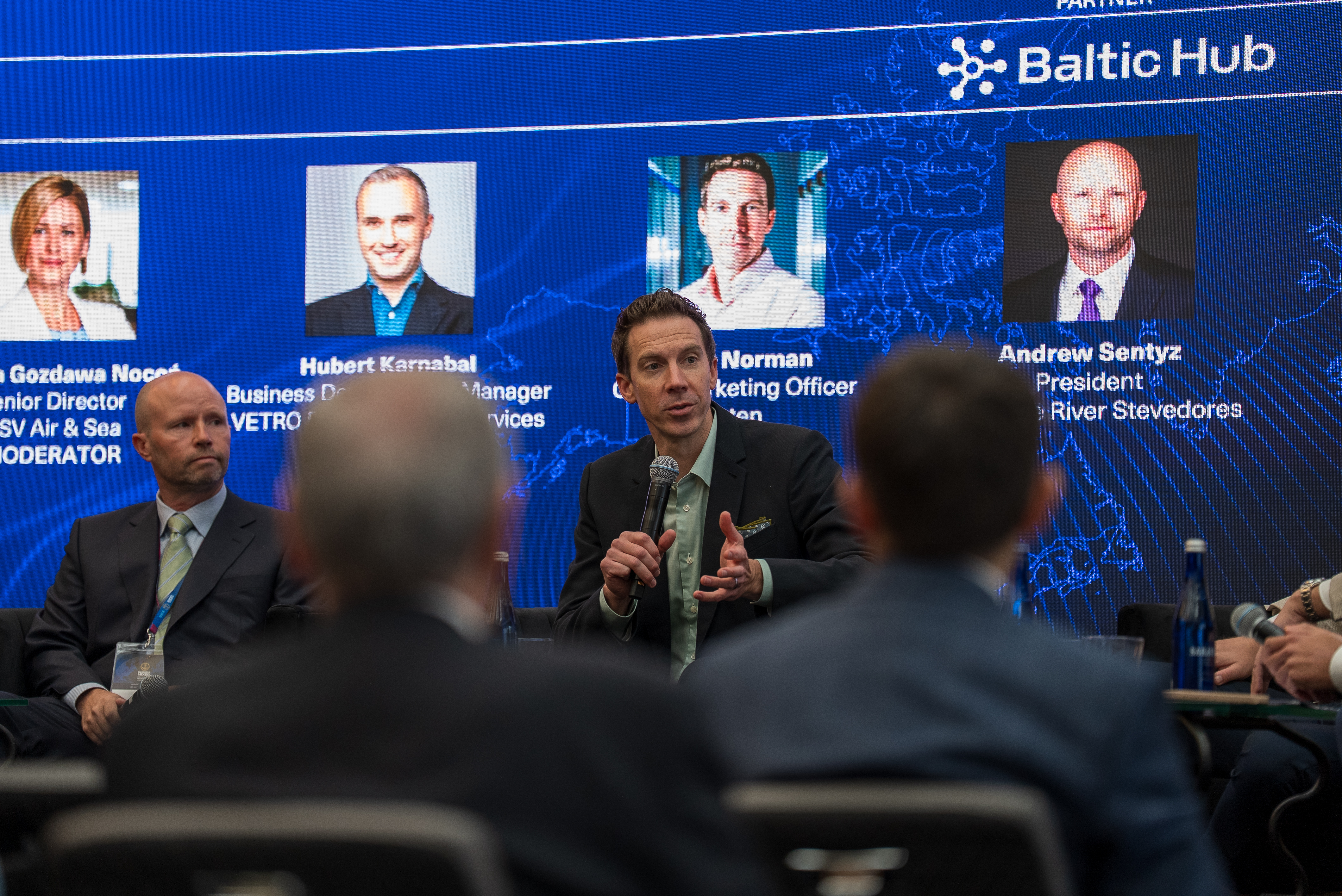
Andrew Sentyz, President of Delaware River Stevedores, stressed that preparing a port for project cargo handling must begin with heavy-duty quay structures with adequate load-bearing capacity. Hinterland infrastructure is equally crucial, encompassing roads, bridges, overpasses, and designated heavy-haul transport corridors capable of supporting abnormal loads. In his view, the American experience demonstrates that infrastructure planning must proactively accommodate future increases in cargo dimensions. This is particularly evident in the offshore wind sector, where certain US ports proved ill-equipped to handle ever-larger wind turbine components.
According to the panellists, Poland holds a tangible advantage in this area thanks to the infrastructure developed in recent years. The Port of Gdańsk already handles complex, high-spec project cargo operations. DSV has completed over 55,000 cargo-handling operations in Gdańsk, with consignments subsequently delivered to consignees nationwide via road haulage and inland waterways.
A prime example of an investor leveraging the port’s capabilities is Lyten, an American manufacturer of advanced energy storage systems. The company operates one of Europe’s largest production plants of this kind and an R&D centre at the Port of Gdańsk. Keith Norman of Lyten pointed out that the strategic location was decisive for ensuring the seamless export of finished products to global markets. Further expansion of the company’s operations is planned, alongside initial shipments to South America. Concurrently, Lyten is developing a modular data centre at the Port of Gdańsk, catering to the growing demand from industry and logistics for high-density computing power driven by advances in artificial intelligence.
Fewer myths and more facts about trading with Poland
The concluding panel was devoted to customs clearance procedures, supply chain security, and cybersecurity. The objective was to clarify to US traders that clearing goods through Poland entails no idiosyncratic or supplementary procedures specific to the country. Grzegorz Korcz from the Revenue Administration Regional Office in Gdańsk emphasised that Poland is an integral part of the EU Customs Union, and clearance procedures applied in Gdańsk are essentially identical to those in Rotterdam or Hamburg. Bottlenecks or delays arise primarily in cases of incomplete or non-compliant shipping documentation. Businesses satisfying the requisite criteria can obtain Authorised Economic Operator (AEO) status, which affords customs simplifications and priority handling. Its framework closely aligns with the American CTPAT (Customs-Trade Partnership Against Terrorism) programme focused on end-to-end supply chain security.
David W. Kleinman of US Customs and Border Protection pointed out that cargo inspection decisions are risk-based, driven by automated risk assessment and the advance cargo data transmitted by traders. The higher the quality of the advance documentation, the faster the clearance process becomes.
The discussions also addressed international sanctions imposed on Russia and Belarus. Polish border and customs authorities must also exercise rigorous surveillance over transit goods bound for third countries that might potentially be diverted to sanctioned jurisdictions.
Security preparedness was another critical topic of discussion. Alan Aleksandrowicz, Vice-President of the Board of the Port of Gdańsk Authority, underlined that, given its location on NATO’s eastern flank, the Port of Gdańsk is actively deploying comprehensive surveillance systems, anti-drone defence solutions, and resilience protocols ensuring business continuity in the event of GPS jamming or satellite signal denial. He also noted that the Port of Gdańsk is currently drafting its Master Plan and Development Strategy up to 2050. A cornerstone of this strategy will be the expansion of port access infrastructure and ensuring adequate throughput capacity on both the maritime approach and landward corridors.
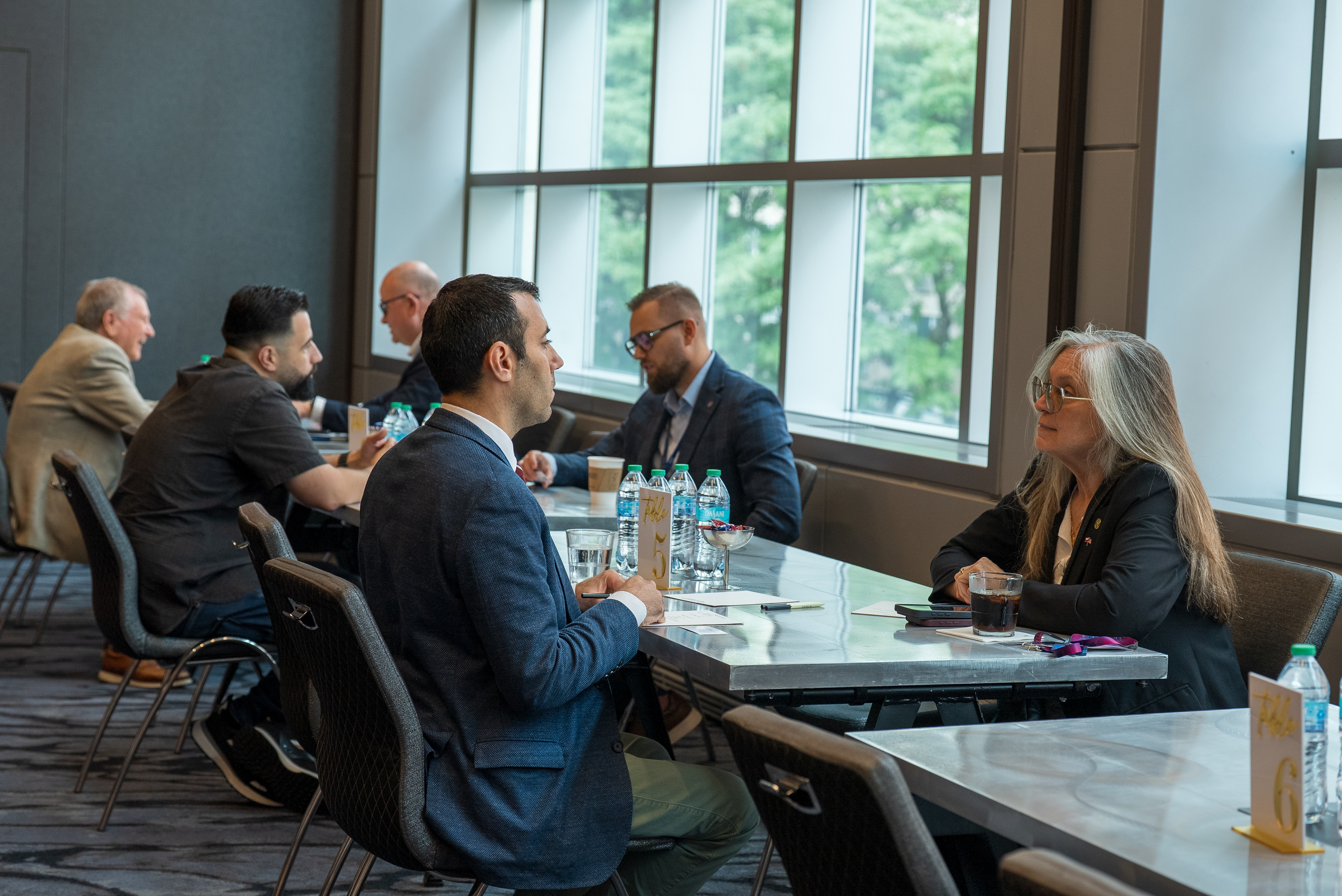
The second day of the event was dedicated to direct business-to-business (B2B) networking sessions. Over a hundred delegates engaged in bilateral discussions regarding concrete commercial ventures, specialised services, and collaborative arrangements poised to yield new inward investments, enhanced cargo volumes, and tighter transatlantic integration. In this respect, the Port of Gdańsk operates not merely as an infrastructure manager, but as an economic facilitator and trade ambassador for the Polish market. Its remit is to showcase the commercial opportunities offered by the Polish economy to international partners while supporting domestic enterprises in their global market expansion.
This year’s Business Mixer underscored that there is substantial scope for expanding trade across the Atlantic, and that the future of Polish-US economic ties may increasingly be channelled through the Port of Gdańsk.
***
The core objective of the Port of Gdańsk trade missions is to promote the port as a premier gateway to Poland and Central and Eastern Europe, and to assist Polish enterprises in cultivating international commercial relationships and exploring new avenues of cooperation. The venue for this year’s fifth edition was the US. Previous editions were staged across Asia – in Singapore, South Korea, Vietnam, and Japan.